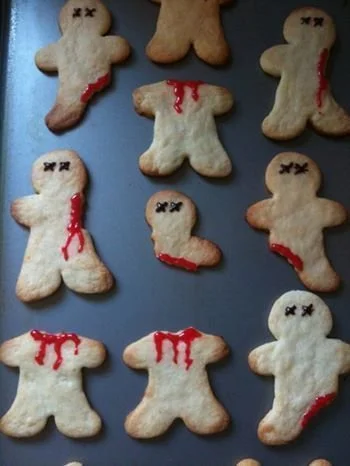
Homemade Halloween Costumes Ideas can be the perfect way to express creativity while keeping costs down. Making your costumes allows for personalization and a chance to show off your crafting skills. Plus, it can be a fun family activity that brings everyone together!
Why You’ll Love Homemade Halloween Costumes Ideas
- Creative Expression: Crafting your costumes lets you express your personality and creativity, making it a more fulfilling experience than store-bought options.
- Budget-Friendly: Homemade costumes are often made from materials you already have at home or can find at low-cost stores, saving you money.
- Unique Designs: You won’t have to worry about showing up in the same costume as someone else. Each design can be as unique as you are!
- Quality Control: You can ensure your costume is comfortable, using soft fabrics and adjusting styles for fit, making them more enjoyable to wear.
- Fun Family Activity: Working together on costumes creates lasting memories and encourages teamwork and problem-solving.
Recipe Overview
- Prep Time: 1-2 hours (depending on complexity)
- Assembling Time: Varies (depends on design)
- Total Time: 1-2 days (including drying and setting time for paints or glues)
- Servings: N/A
- Difficulty Level: Varies (beginner to advanced, based on project)
Materials You’ll Need for Homemade Halloween Costumes Ideas
- Base Layer Fabric: This can be a plain t-shirt, dress, or bodysuit, depending on your design.
- Fabric Paints or Markers: For adding designs or colors to your costume.
- Accessorizing Supplies: Items like ribbons, sequins, or felt for embellishments.
- Sewing Kit: Thread, needles, and scissors for any sewing needs.
- Old Clothes: Repurpose items from your closet for a unique twist!
- Cardboard or Paper Mache: For creating props or masks.
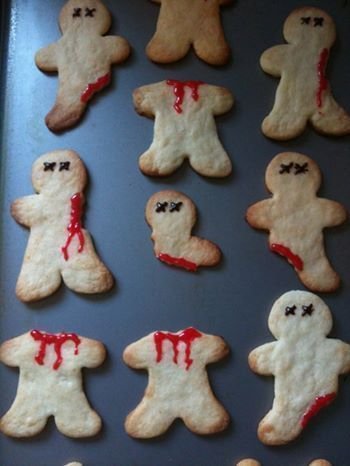
How to Make Homemade Halloween Costumes
- Choose Your Theme: Decide if you want a spooky, funny, or whimsical costume.
- Select Your Base Layer: Pick a clothing item as your foundation. This might be a plain t-shirt for a superhero or a long dress for a witch.
- Design Your Look: Sketch your design on paper. Consider colors, characters, and any props necessary for your theme.
- Gather Materials: Collect all the needed materials before starting to make the process smooth and efficient.
- Create Your Costume:
- Cut, sew, or glue your chosen fabrics and accessories onto your base layer based on your design.
- If using fabric paint, allow plenty of time for drying before wearing the costume.
- Make Accessories: Craft any necessary accessories like hats, masks, or wands. Cardboard can be painted and shaped into props.
- Try It On: Ensure the costume fits comfortably and make any adjustments as needed.
Tips for Success
- Plan Ahead: Starting early allows time for mistakes or additional projects.
- Experiment with Techniques: Try sewing, gluing, or layering fabric to see what works best for your design.
- Use Tutorials: Online videos can provide valuable insights into specific techniques, especially for tricky parts like assembling a mask.
- Involve Everyone: Get family and friends to help in creating a more enjoyable and collaborative experience.
- Test Fit Regularly: As you create, periodically try on the costume to ensure everything fits comfortably and looks great.
Easy Variations
- Themed Group Costumes: Coordinate with family or friends to create a theme (e.g., classic monsters, superheroes).
- Animal Costumes: Use a hoodie as a base for a cute animal look. Add felt ears and a tail for extra charm.
- Classic Characters: Transform into your favorite movie character by using recognizable colors and props for a DIY look.
- Historical Figures: Using basic modern clothing, create a period look with specific accessories and hairstyles.
- Mix and Match: Combine elements from different costumes to create a fun and surprising mash-up.
What to Serve with Homemade Halloween Costumes Ideas
- Halloween Treats: Serve themed snacks like pumpkin cookies or spooky popcorn balls to keep the fun going.
- Hot Apple Cider: This warm drink pairs perfectly with the fall season and provides a cozy element.
- Finger Foods: Easy-to-eat snacks like mini sandwiches or veggie platters allow guests to mingle without interrupting costume fun.
- Themed Drinks: Consider making special drinks with fun names that match your costumes, adding an extra layer of excitement.
Storage and Reheating
- Costume Care: Store costumes in a cool, dry place to prevent mildew or damage.
- Repurposing Materials: Save fabric scraps and materials for future projects, reusing items creatively.
- Don’t Wash Frequently: Hand wash items gently if needed, as some designs may not hold up well in machines.
- Costume Exchange: Organize a swap with friends the following year to refresh costume options without buying new materials.
Common Mistakes to Avoid
- Rushing the Process: Avoid last-minute creations. Allow time for creativity and adjustments.
- Ignoring Comfort: Don’t sacrifice comfort for appearances. Ensure costumes fit well and allow movement.
- Overcomplicating Designs: Stick to simple designs if you’re a beginner to avoid frustration.
- Underestimating Time: Always give yourself more time than you think you’ll need for completion.
- Neglecting Safety: Be cautious with items that could be sharp or could create tripping hazards, especially in dark settings.
Homemade Halloween Costumes Ideas: Background & Cultural Inspiration
Homemade costumes have roots deep in the spirit of Halloween, where creativity and imagination reign. Historically, dressing up served the purpose of warding off spirits and celebrating the harvest season. Various cultures have rich traditions when it comes to Halloween and costume-making. In Mexico, for example, Day of the Dead costumes honor deceased loved ones, while Celtic traditions involved dressing as spirits to trick others. Today, making your costumes continues to thrive as a way to connect with history and express contemporary culture through art.
Frequently Asked Questions
How can I make my homemade costume more durable?
Use quality materials and consider sewing for secure attachments instead of gluing, when possible.
What are good substitutions for fabric paint?
You can use regular acrylic paint, but be sure to mix it with a fabric medium for flexibility and washability.
How can I make a costume less expensive?
Repurpose items from home or shop at thrift stores for unique finds that can be transformed into costumes.
Can I make a costume last for multiple Halloweens?
Absolutely! Choose classic designs and store costumes properly in a cool, dry location to prolong their life.
How early should I start making my costume?
Starting a month in advance allows ample time for planning, creating, and making adjustments while avoiding stress.
Final Thoughts
Creating your own Halloween costumes is not just about dressing up; it’s about celebrating creativity and nostalgia while saving money. With a little planning and imagination, you can craft something truly special. So gather your materials, unleash your inner artist, and enjoy the rewarding process of making your costumes this Halloween!
PrintHomemade Halloween Costumes Ideas
Explore creative and budget-friendly ideas for making your own Halloween costumes that express your personality and creativity.
- Prep Time: 120 minutes
- Cook Time: 0 minutes
- Total Time: 2880 minutes
- Yield: 1 costume
- Category: Costume Making
- Method: Crafting
- Cuisine: N/A
- Diet: N/A
Ingredients
- Base Layer Fabric (t-shirt, dress, or bodysuit)
- Fabric Paints or Markers
- Accessorizing Supplies (ribbons, sequins, felt)
- Sewing Kit (thread, needles, scissors)
- Old Clothes (for repurposing)
- Cardboard or Paper Mache (for props or masks)
Instructions
- Choose Your Theme: Decide if you want a spooky, funny, or whimsical costume.
- Select Your Base Layer: Pick a clothing item as your foundation.
- Design Your Look: Sketch your design on paper, considering colors and props.
- Gather Materials: Collect all needed materials for a smooth process.
- Create Your Costume: Cut, sew, or glue your chosen fabrics and accessories onto your base layer.
- Make Accessories: Craft hats, masks, or wands as needed.
- Try It On: Ensure the costume fits comfortably and make adjustments if necessary.
Notes
Involve family and friends for a collaborative experience. Start early to allow for creativity and adjustments.